

What is Blood Plasma Separation?

Blood plasma separation is a technical method that separates plasma in whole blood from other components such as blood cells. In specific operations, particular equipment and technical means are usually employed. The common method is centrifugal separation, which uses the centrifugal force generated by a centrifuge to separate different components in whole blood due to density differences. Plasma with a lower density will accumulate in the upper layer of the centrifuge tube, while components with a higher density such as blood cells will settle in the lower layer, thus achieving the initial separation of plasma from other components. But it is less convenient and costs much time in blood plasma separation.
Therefore, a creative separator should be chosen in the future. BPS provides a blood plasma separator which uses the membrane separation method. Through a semi-permeable membraneBlood Plasma Separation: Differences Between Blood, Plasma, and Serum

| Feature | Blood | Plasma | Serum |
|---|---|---|---|
| Components | Plasma and blood cells | Clotting factors and albumin, globulin | Plasma without clotting factors |
| Appearance | Red and opaque liquid | Light yellow and semi-transparent liquid | Pale yellow and clear liquid |
| Function | Transport oxygen and nutrients | Maintain osmotic pressure and acid-base balance | Diagnose diseases and clinical testing |
| Obtained Method | Draw from vein directly | Blood with anticoagulant and filter | Blood without anticoagulant and filter |
| Clotting Characteristic | Include all the clotting proteins | Include fibrinogen and other clotting proteins | Do not include clotting proteins |
Methods of Blood Plasma Separation

Advantages: High plasma purity, widely used in laboratory and hospital
Disadvantages: Require equipment and electricity

Advantages: No equipment, widely used in areas with limited resources
Disadvantages: Slow and less efficiency

Advantages: Portable device, no electricity requirement, used easily in every application
Disadvantages: Strictly requirements for high-quality membrane
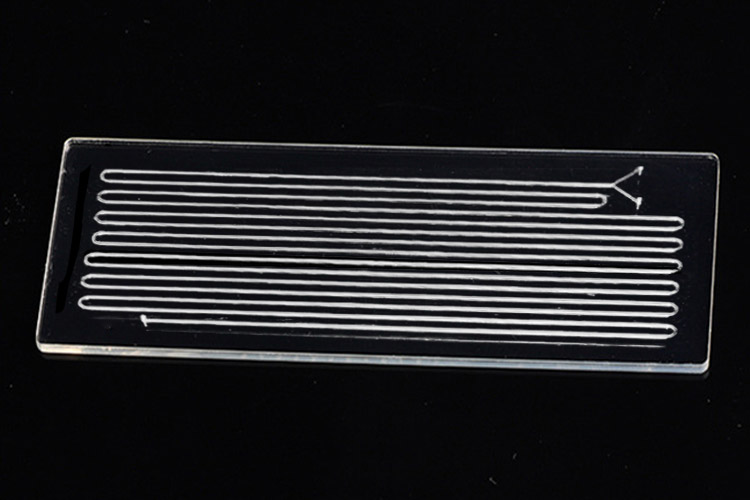
Advantages: Realize the miniaturization of samples and separation automation
Disadvantages: High cost and used in laboratory and science research
Top Reasons to Perform Blood Plasma Separation

Support samples storage
Optimize diagnostic accuracy
Minimize hemolysis risk
Use in various diagnostic test
Reduce reagent interference
Use in various diagnostic test
Prevent samples contamination
Applications of Blood Plasma Separation


Blood plasma separation is a technique for separating plasma from blood and is widely used in clinical treatment, plasma product preparation, plasma research and so on. Its main applications include the following aspects:
- Clinical Treatment:
Therapeutic plasma exchange (TPE) is a technique that removes harmful substances from the blood by exchanging the patient's plasma with new plasma or other solutions. TPE can be used to treat a variety of diseases, including autoimmune diseases, neurological diseases, blood system diseases. - Plasma Product Preparation:
Plasma product is biological product obtained by separating and purifying various components in plasma. It is widely used in diagnostic treatment, first aid and immunoregulation, including: immunoglobulin, albumin, coagulation factor, anticoagulant. - Plasma Research:
Plasma is an important component of the human body. Research on plasma helps us understand the physiological and pathological processes of the human body and develop new treatment methods. The main contents of plasma research includes: plasma component analysis, plasma proteomic research, plasma metabolomic research. - Pharmaceutical Production:
Plasma pharmaceuticals refer to those made from human plasma as raw material through a series of extraction and purification processes. It includes human albumin, immunoglobulin, coagulation factor preparations, antiserum, which has the functions and effects of treating protein deficiency diseases, enhancing immunity, stopping bleeding and treating rare diseases. - Point-of-Care Testing:
Clinical test are usually not necessarily carried out by laboratory technicians. It can conduct diagnosis immediately, eliminating the complex processing procedures for specimens during laboratory testing and enabling rapid acquisition of test results. Therefore, it is widely used due to quickly obtain test results in emergency departments, primary clinics and other places. - Veterinary Medicine:
Using blood plasma separation in diagnostic testing of pets is widely used in veterinary medicine. Samples of plasma are also essential in veterinary research. Blood plasma separator is ideal for veterinarians who need plasma quickly and easily, whether in the clinic or on-site in remote areas.
How to Choose the Right Methods of Blood Plasma Separation?


Each method suits different settings and requirements. Choosing the right blood plasma separation can benefit medical procedure and increase efficiency.
- Application Type
Clinical laboratories often require high-purity plasma for sensitive analysis. Point-of-care (POC) environments need rapid, simple methods that work with small samples and minimal equipment by using BPS(Blood Plasma Separator). Clinical and research labs, in contrast, accept more complex equipment and longer processing times to achieve the highest plasma quality. - Sample Volume
Sample volume plays a crucial role in method selection. Traditional centrifugation requires milliliter-scale samples, which limits its use in settings. Newer techniques, such as BPS(Blood Plasma Separator), can separate plasma from as little as microliter-scale of whole blood, making them ideal for microscale and POC applications. - Speed Requirement
Speed requirement is significant in different application. Traditional methods like centrifugation may take nearly 10 minutes to separate blood and plasma. In contrast, BPS(Blood Plasma Separator) uses less than 40 seconds to achieve blood plasma separation. When time is crucial in point-of-care (POC) or emergency testing, speed becomes a key factor. - Budget
Budget constraint often plays a major role when selecting a plasma separation method. Traditional methods require more investments in equipment purchase and maintenance, while newer methods like BPS(Blood Plasma Separator) is a cost-effective solution with minimal maintenance costs. It is ideal for limited resources and small clinics.